What are Orthopedic Implants and How Do They Work?
orthopedic implants are crucial in modern medicine. They help patients recover from injuries or surgeries. These devices support, stabilize, or replace damaged joints and bones. The journey of orthopedic implants begins with their design. Engineers and doctors collaborate to create effective solutions for various conditions. Materials used are vital for their success. They must endure stress yet remain biocompatible.
Understanding how orthopedic implants work can be complex. They can provide immediate relief but also require proper care and rehabilitation. It is essential for patients to follow post-operative instructions. Recovery can sometimes be slow, and patience is necessary. Not every implant works perfectly for every individual. There can be complications that require further reflection and adjustment.
In essence, orthopedic implants offer a pathway to regain mobility. However, the process is not always straightforward. Learning about these devices can empower patients to make informed decisions. Being aware of both the benefits and potential challenges is key to a successful recovery.
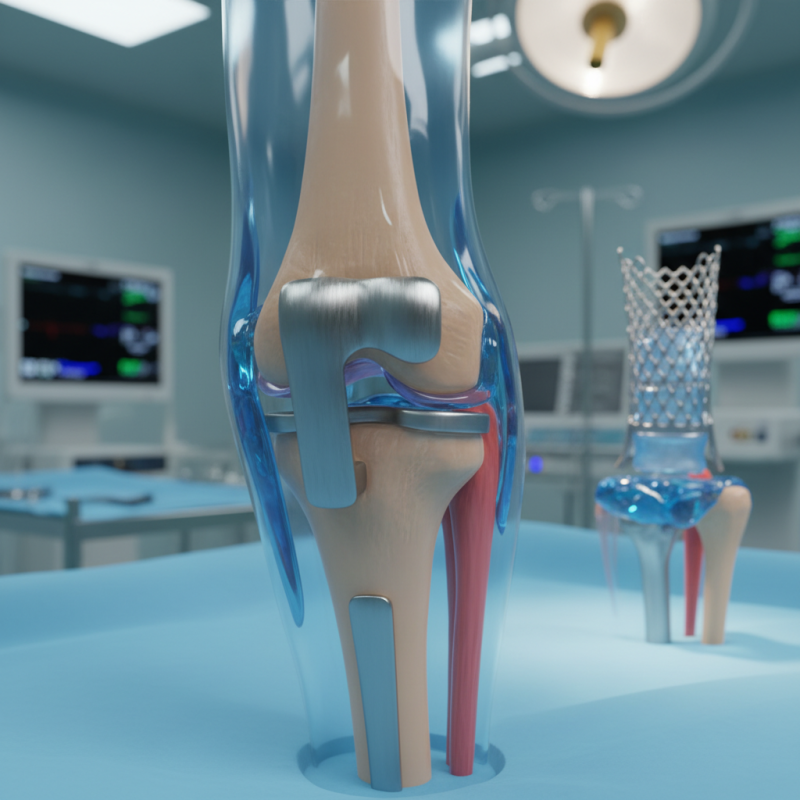
Definition and Types of Orthopedic Implants
Orthopedic implants are devices used to replace or support damaged bones and joints. These implants come in various forms, including screws, plates, rods, and artificial joints. According to a report by Grand View Research, the global orthopedic implants market was valued at approximately $47.8 billion in 2020 and is projected to reach $82.5 billion by 2028. This growth indicates a rising demand for advanced surgical solutions in orthopedics.
There are several types of orthopedic implants. Screw implants help stabilize fractures by holding bones together. Plates provide surface support to fractured bones. Rods are often used in spinal surgeries. Joint replacements, such as hip or knee implants, restore mobility. Each type serves a distinct purpose. Yet, these implants can fail or cause complications. Infections or improper alignment may occur, leading to further surgeries. The complexity of human anatomy presents challenges.
Surgeons must choose the right implant type based on individual conditions. Factors like age, activity level, and overall health play crucial roles. Research indicates that revision surgeries can be costly and emotionally taxing for patients. Innovative solutions are needed for training and technique improvements. Orthopedic implants represent an essential yet imperfect field in medicine. Continuous advancements are vital to enhance patient outcomes and reduce complications.
What are Orthopedic Implants and How Do They Work?
| Type of Orthopedic Implant | Description | Common Uses | Materials |
| Bone Screws | Devices used to secure two or more bone fragments together. | Fracture fixation and stabilization. | Titanium, Stainless Steel. |
| Plates | Flat devices that are attached to bone with screws to provide stability. | Repairing fractures, especially in long bones. | Titanium, Stainless Steel. |
| Joint Prostheses | Artificial devices that replace damaged joints. | Hip replacement, knee replacement surgeries. | Cobalt-chromium alloy, Polymer materials. |
| Intramedullary Nails | Nails that are inserted into the central canal of the bone to align and stabilize fractures. | Fractures of long bones like the femur and tibia. | Titanium, Stainless Steel. |
| Bone Grafts | Tissue grafts used to facilitate healing and bone regeneration. | Bone defects, non-union fractures. | Autografts, allografts, synthetic materials. |
Functions and Mechanisms of Orthopedic Implants
Orthopedic implants play a crucial role in modern medicine. They provide structural support in bone repair and joint reconstruction. These devices help restore function after an injury or degenerative diseases. A report by the global orthopedic implant market indicates it is expected to reach $51 billion by 2025. This growth reflects the rising demand for hip and knee implants in aging populations.
The mechanisms behind orthopedic implants involve various materials and designs. Most implants are made of titanium, stainless steel, or polymer composites. Each material has specific properties beneficial for durability and biocompatibility. For example, titanium is well-known for its strength and resistance to corrosion. Despite the advances, there are still challenges. Some patients experience complications, such as infection or device failure. These incidents highlight the need for ongoing research and innovation.
Adequate education on recovery is essential. While implants can improve quality of life, rehabilitation plays a significant role. Physical therapy is often required post-surgery. Many patients may not fully understand their recovery journey. This gap can lead to frustration and delayed progress. As the industry evolves, patient understanding must improve alongside technological advances.
Materials Used in Orthopedic Implants
Orthopedic implants play a crucial role in modern medicine. They help restore function in damaged bones and joints. Various materials are used to create these implants, each with unique properties. Common choices include titanium, stainless steel, and certain ceramics. These materials are selected for their durability and biocompatibility.
Titanium is lightweight yet strong. It's often used in joint replacements. Stainless steel offers excellent strength and resistance to corrosion. However, it’s heavier than titanium. Ceramics provide a smooth surface, minimizing friction. But they can be brittle, which sometimes leads to complications.
The choice of material can impact recovery. Some patients may react to certain metals, leading to discomfort. Others may find that additional surgeries are required if the implant fails. This raises questions about the long-term reliability of different materials. As research continues, improvements may change these outcomes. Each option has pros and cons that must be weighed carefully.
Surgical Procedures Involving Orthopedic Implants
Surgical procedures involving orthopedic implants are common in modern medicine. These implants include screws, plates, rods, and joint replacements. They are used to stabilize bones, support healing, and restore mobility. Surgeons select implants based on the type of injury or condition.
Before surgery, patients should discuss all concerns with their healthcare provider. Understanding the procedure can ease anxiety. Recovery may vary, and proper rehabilitation is crucial. Patients often require physical therapy to regain strength.
Tips: Always follow your surgeon's advice after the procedure. Monitor any signs of infection, such as increased swelling or pain. Keeping a positive mindset greatly aids recovery. Regular check-ups ensure the implant functions well. Recovery may not always go as planned. Patience is key, as healing takes time.
Orthopedic Implants Usage Statistics
This bar chart illustrates the number of orthopedic implant procedures performed annually in thousands. Hip implants lead the market, followed by knee and spinal implants, showcasing the focus on improving patient mobility and quality of life through surgical interventions.
Post-Operative Care and Recovery for Implant Patients
Post-operative care is crucial for patients with orthopedic implants. After surgery, the body needs time to heal. Patients often experience pain and swelling at the site. It’s essential to follow your doctor’s instructions closely. Resting helps reduce stress on the implant. Ice packs can also relieve swelling.
In addition to physical care, emotional well-being matters. Patients may feel anxiety about recovery. Peer support groups can provide encouragement. It's okay to feel frustrated. Recovery varies for everyone, and setbacks are normal. Regular follow-ups with your healthcare provider are necessary. They monitor healing and adjust care plans.
Gradually increasing activity levels is important. Start with light movements, like walking. This boosts circulation and aids healing. Listen to your body; don’t push too hard. Each stage of recovery can bring its own challenges. A positive mindset is vital. Celebrate small victories along the way.


