What is a Miniature Circuit Breaker and How Does It Work?
A Miniature Circuit Breaker (MCB) is a crucial safety device in electrical systems. It plays a vital role in preventing overloads and short circuits. MCBs automatically disconnect the electrical supply when they detect fault conditions. This helps protect both appliances and wiring from damage.
The technology behind a Miniature Circuit Breaker is fascinating. It uses electromagnetic or thermal mechanisms to sense excess current. When a fault occurs, the MCB trips and cuts off the power. This quick action prevents fires and electrical hazards. In homes and industries, MCBs are standard components for safety. However, many people are unaware of how these devices function.
Understanding the Miniature Circuit Breaker enhances electrical safety. Often, homeowners overlook their importance. Regular maintenance and checks can ensure they operate correctly. A faulty MCB can lead to significant risks. Reflection on these devices is essential for safety practices. It is imperative to grasp their function to avoid dangerous situations.
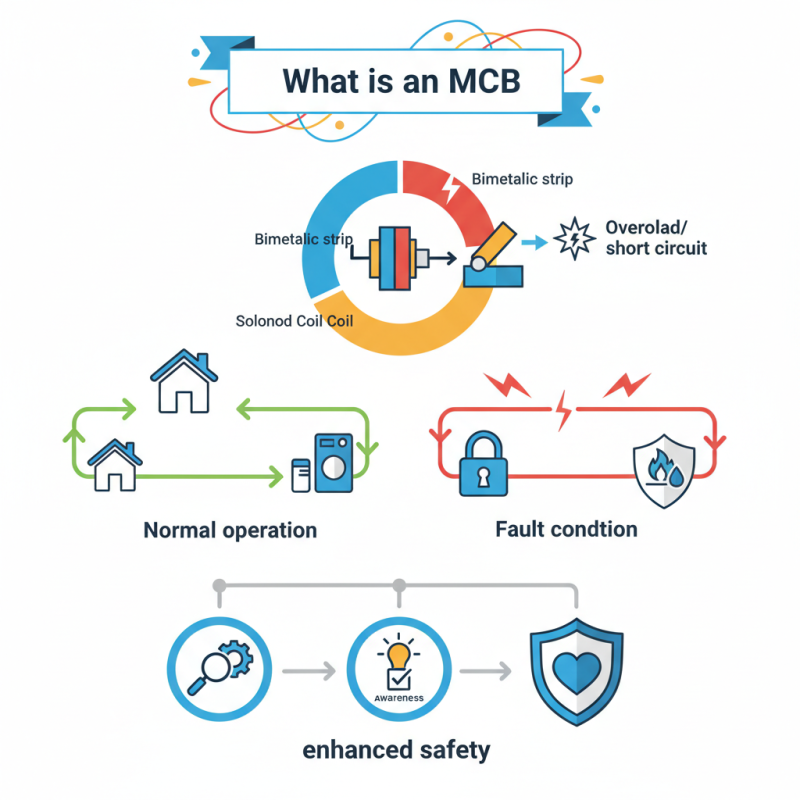
Definition and Purpose of a Miniature Circuit Breaker
A miniature circuit breaker (MCB) is a crucial safety device in electrical systems. It automatically disconnects circuits in case of overloads or short circuits. This prevents potential fire hazards and equipment damage. MCBs are designed to act quickly. When the current exceeds a set limit, the MCB trips, cutting off the power supply.
The primary purpose of an MCB is protection. It safeguards homes and industrial setups from electrical faults. MCBs are compact and easy to install. They're often found in distribution boards. Each MCB can handle a specific current rating. Choosing the right rating is essential for effective protection. A mismatch may lead to frequent tripping or inadequate safety.
Despite their effectiveness, MCBs are not foolproof. Sometimes, they may trip without obvious reasons. This could be due to minor faults or wear over time. Regular maintenance and checks are important. Understanding how MCBs function can help users appreciate their role in electrical safety. Awareness can lead to better decisions in circuit protection.
Components of a Miniature Circuit Breaker
A Miniature Circuit Breaker (MCB) is a vital safety device in electrical systems. Understanding its components is key to appreciating how it works. Each part plays a critical role in protecting electrical circuits from overloads and short circuits.
The bimetallic strip is one of the main components. It bends when heated by excessive current. This bending trips the switch, cutting off the power supply. Another crucial part is the electromagnetic coil. It activates quickly during a short circuit. The MCB can react within milliseconds to protect devices.
Additionally, the manual reset mechanism allows users to restore power after an overload. However, the MCB can malfunction if the bimetallic strip becomes stuck. Regular checks are essential to ensure reliability. Components may wear out over time, demanding periodic replacement. Understanding these elements helps maintain safety in your electrical systems.
Working Principle of Miniature Circuit Breakers
Miniature Circuit Breakers (MCBs) are essential components in modern electrical systems. They protect circuits from overcurrent and short circuits. An MCB automatically disconnects the electrical supply when it detects a fault. This action prevents fire hazards and damage to appliances. But how do they actually work?
The working principle of an MCB relies on two key mechanisms: thermal and magnetic trip units. The thermal unit responds to prolonged overcurrent situations. It uses a bimetallic strip that bends with heat. Once it bends enough, it trips the switch. This feature is crucial for avoiding overheating. The magnetic unit reacts to high instantaneous currents, such as in a short circuit. It contains an electromagnet that rapidly trips the circuit. This dual mechanism ensures quick and effective protection.
While MCBs are reliable, they can sometimes fail. Incorrect sizing may lead to nuisance tripping. Improper installation might also cause inefficiencies. Regular checks can help prevent these issues. Understanding how MCBs function allows better implementation. It helps ensure safety in our electrical systems.
Applications of Miniature Circuit Breakers in Electrical Systems
Miniature Circuit Breakers (MCBs) are essential in modern electrical systems. They protect circuits from overloads and short circuits. By detecting faults, MCBs automatically disconnect the power supply. This feature prevents potential hazards, such as electrical fires. In homes and businesses, MCBs are crucial for safety.
MCBs are commonly used in residential wiring. They provide protection for lighting and power circuits. When there is a fault, the MCB trips. Users can easily reset it afterward. This ease of use can sometimes lead to complacency. People may ignore repeated tripping, which indicates underlying issues. Ignoring these signs can lead to larger problems.
In industrial settings, MCBs are integral to motor controls and machinery. They ensure that equipment operates safely. However, their effectiveness depends on proper sizing and installation. Over-sized MCBs may not trip when needed. Under-sized ones can trip too frequently. Both situations highlight the importance of careful planning. Making adjustments based on real-world performance is vital for optimal function.
Benefits of Using Miniature Circuit Breakers Over Traditional Fuses
Miniature Circuit Breakers (MCBs) provide several advantages over traditional fuses. One major benefit is the reset feature. After a fault occurs, an MCB can be reset with a simple switch. In contrast, fuses must be replaced. This convenience reduces downtime significantly.
The reliability of MCBs is another contributing factor to their growing popularity. According to industry reports, MCBs can handle substantial overloads without tripping, whereas fuses can burn out quickly. They also offer better protection against short circuits. Studies show that MCBs can reduce fire risks by 30% compared to fuses.
Tips: Regularly inspect MCBs to ensure proper functioning. Keep spare circuit breakers on hand. This can help with emergencies. Consider consulting a professional for installations and upgrades. Make informed choices to enhance safety and performance in your electrical systems. MCBs might seem perfect, but even they can malfunction. Hence, understanding their limits is crucial for optimal usage.


