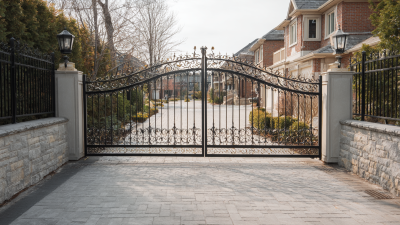
How to Choose the Best Gate Motor for Your Needs?
Choosing the right gate motor can be challenging. There are numerous factors to consider. Your unique needs matter the most. Gate motors come in various types and sizes. Each has its own features and benefits.
Consider the weight and size of your gate. Heavier gates require more powerful motors. For residential properties, look for energy-efficient options. You might prefer a quiet motor if noise is a concern. Additionally, the motor must match your gate's design.
Expert advice is crucial. Talk to professionals when in doubt. They can guide you based on experience and technical knowledge. Before making a decision, research different models. Read user reviews to understand reliability. Choosing a gate motor is not just about cost. It's crucial for safety and convenience.
Understanding the Different Types of Gate Motors Available
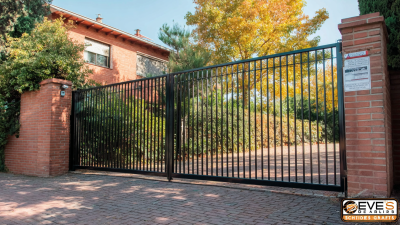
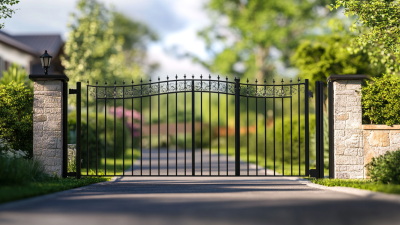
When selecting a gate motor, understanding the various types available is crucial. There are sliding gate motors and swing gate motors, each designed for different applications. Sliding gate motors are ideal for long, horizontal gates. They operate smoothly along a track. Swing gate motors work well for traditional hinged gates. They swing open or closed, offering a classic look.
When deciding, consider the weight and size of your gate. Heavier gates require more powerful motors. It’s essential to check the motor’s specifications. Some motors come with solar power options. This can be an eco-friendly choice if electrical access is limited.
Look for motors with safety features. These may include auto-reverse mechanisms or obstacle detection. Such features enhance security and prevent accidents. Remember, the installation process matters. Not every motor is user-friendly. Research installation requirements before making a purchase. Opt for a motor that fits your skill level or hire a professional if needed. Not all motors are created equal; knowing your needs helps in making an informed choice.
Identifying Your Specific Requirements for a Gate Motor
When selecting a gate motor, identifying your specific requirements is critical. Understanding the weight and size of your gate is paramount. A gate weighing up to 300 kg may necessitate a motor with at least 600 N of force. According to industry reports, motors rated for higher loads tend to be more reliable.
Evaluating the frequency of use is essential too. Heavy-use gates might benefit from a more durable model, while occasional use allows for a less robust option. Shockingly, about 30% of gate malfunctions stem from insufficient assessments during installation. The type of gate, whether sliding or swinging, also influences your choice. Sliding gates require different mechanics and motors compared to swinging gates.
Consider the power source as well. Hardwired options provide constant energy, while solar-powered motors are eco-friendly yet may have limitations based on sunlight exposure. Recognizing the climate and surroundings of your gate can impact efficiency significantly.
Reflecting on these factors can prevent overspending or under-specifying your needs. It's essential to gather as much information before making your decision.
Evaluating Key Features and Specifications of Gate Motors
When selecting a gate motor, evaluating key features and specifications is crucial. The performance of a gate motor can significantly impact security and convenience. For example, the average lifting capacity of gate motors varies, with many capable of handling weights up to 800 kg. It’s essential to consider the specific weight of your gate to ensure optimal functionality.
Speed is another vital consideration. Most gate motors operate within a speed range of 10 to 16 seconds for opening and closing. However, a slower speed may be warranted for larger gates. Durability is critical as well. Gate motors are often exposed to harsh weather conditions, so looking for models with weather-resistant casings can enhance longevity. Industry reports indicate that about 40% of gate motor failures are attributed to inadequate weatherproofing.
Power supply can also influence your choice. Electric motors typically require standard household voltage, typically 120V or 240V. However, solar-powered options are gaining popularity, providing greater flexibility, especially in remote areas. It’s essential to reflect on these features based on your environment and the specific requirements of your property to make an informed decision.
Considering Installation and Maintenance Factors
When selecting a gate motor, installation and maintenance should be key considerations. Proper installation is crucial for optimal performance. A poorly installed motor can lead to operational issues. It’s essential to follow the manufacturer's instructions closely. Having a qualified technician can significantly ease this process. Some may choose to DIY, but lack of experience often leads to mistakes.
Maintenance is just as important. Regular checks can prevent costly repairs down the line. You should inspect connections and clean components frequently. Neglect can cause serious problems. Some may think maintenance is unnecessary until an issue arises. Having a proactive approach often saves time and money.
Consider the specific environment where the motor will operate. Factors like weather conditions and terrain play a significant role. Not all motors are suited for every location. Researching your specific needs can prevent future headaches. Sometimes, people assume one size fits all, but that’s far from the truth. The right motor, thoughtfully installed and maintained, will ensure longevity and reliability.
Analyzing Budget and Long-Term Cost Implications
When selecting a gate motor, budget considerations are key. According to various reports, the initial cost of a gate motor can range from $300 to over $1,500. This investment should be viewed not just as a one-time expense but as part of a broader financial plan. Cheaper gate motors may compromise on longevity or features, leading to potential higher replacement and maintenance costs in the future.
Additionally, long-term cost implications include energy consumption and repair expenses. Data shows that more efficient motors can reduce energy costs by up to 30%. Over time, this leads to significant savings. In contrast, opting for a lower-quality motor might result in frequent breakdowns, which can accumulate repair bills.
It's worth noting that the type of gate can also influence long-term costs. Sliding gates often require more power and regular maintenance. Therefore, ensure that your choice suits the specific demands of your property. Regular maintenance schedules will also affect overall expenditure. Understanding these financial elements can lead to more informed choices.
How to Choose the Best Gate Motor for Your Needs? - Analyzing Budget and Long-Term Cost Implications
| Type of Gate Motor |
Initial Cost ($) |
Installation Cost ($) |
Maintenance Cost (Yearly) ($) |
Lifespan (Years) |
Total Cost Over 10 Years ($) |
| Swing Gate Motor |
300 |
200 |
50 |
10 |
800 |
| Sliding Gate Motor |
500 |
300 |
70 |
12 |
1300 |
| Solar Gate Motor |
700 |
250 |
40 |
15 |
1200 |
| Electric Gate Motor |
600 |
150 |
60 |
8 |
1240 |