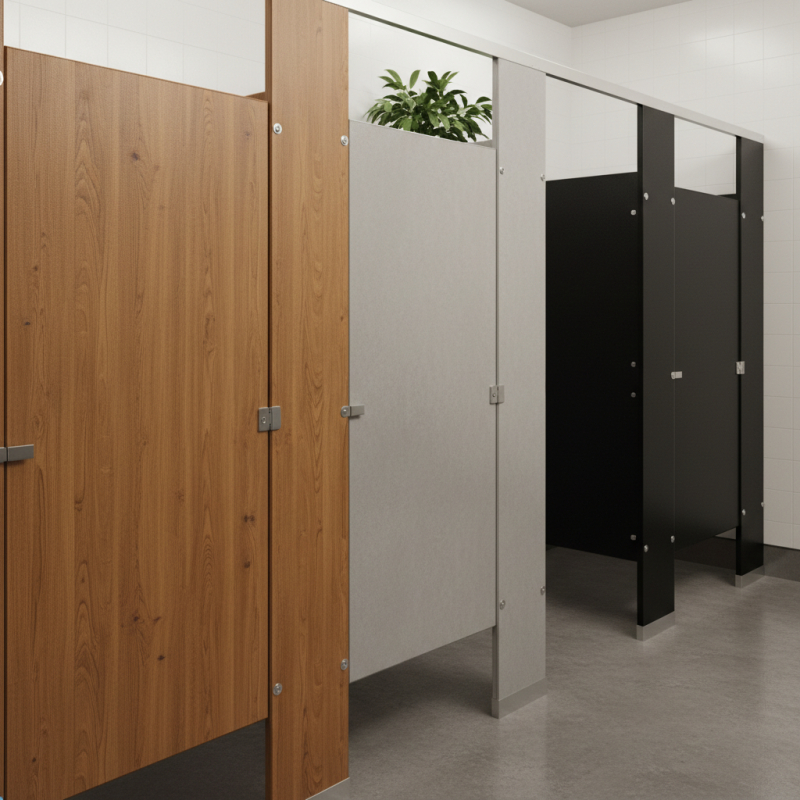
How to Choose the Best Material for Restroom Stall Walls?
Choosing the right material for Restroom Stall Walls is crucial for any facility. As industry expert John Miller states, “The right choice can enhance both privacy and hygiene.” Building a comfortable restroom environment starts with selecting the best materials.
Durability, maintenance, and aesthetics play key roles. Some materials withstand moisture and high traffic better than others. For instance, fiberglass offers durability but may lack the warmth of laminate. Each choice presents its challenges.
Moreover, many overlook the importance of sound absorption. Restroom stall walls should minimize noise for user comfort. Balancing style with functionality is not always easy. Thoughtful selection leads to a better user experience.
Types of Materials Commonly Used for Restroom Stall Walls
When selecting materials for restroom stall walls, several options are commonly considered. One popular choice is stainless steel. It offers durability and a modern look. However, it can be prone to scratches and dents. Maintenance is essential to keep it looking good.
Another option is plastic laminate. It’s affordable and available in various colors. Yet, it may not withstand heavy wear and tear as well as other materials.
Additionally, solid plastic is gaining traction. This material is resistant to moisture and scratches, making it ideal for high-traffic areas. However, it can be heavier and more expensive than laminate.
On the other hand, particleboard with a melamine coating is another alternative. While it’s budget-friendly, it often struggles with humidity, leading to potential warping.
It's crucial to weigh the pros and cons of each material. Consider the restroom's usage and user traffic. Reflect on how each material might perform over time. Choosing the right one impacts not just functionality, but also the overall ambiance of the space. Taking the time to research and evaluate these options can lead to better decision-making.
Factors to Consider When Selecting Restroom Stall Wall Materials
Choosing the right material for restroom stall walls is crucial. Several factors should be considered. The first factor is durability. Materials like stainless steel and solid plastic offer robust resistance against wear and tear. However, cheaper options may fade or scratch easily. Think about the long-term costs. A higher initial investment might save money in repairs.
Moisture resistance is vital as well. Restroom environments are often humid. Some materials, like fiberglass, handle moisture better than others. If you select wood or metal, ensure they are treated for water exposure. Also, consider maintenance requirements. Some materials stain easily. Regular cleaning is necessary to maintain appearance, which can be a burden.
Lastly, aesthetics matter. The look of restroom stalls influences visitor experience. Sleek, modern finishes may enhance the ambiance. Meanwhile, colors can affect perceived cleanliness. Reflect on the overall theme of your space. Balancing functionality and design can be challenging, but it leads to a better choice. Evaluate all these factors carefully before making a decision.
Comparative Analysis of Durability and Maintenance Needs
When selecting materials for restroom stall walls, durability and maintenance are key considerations. A study by the American Society for Testing and Materials reveals that materials like stainless steel and solid plastic resist dents and scratches better than others. This means they last longer, reducing replacement costs over time.
Maintenance needs can significantly impact overall cost. For example, fiberglass may require frequent resurfacing, while aluminum can corrode in humid areas. Opting for materials with low maintenance can save time and money. Avoiding high-maintenance options could also enhance user experience.
**Tips:** Choose materials suited for high traffic. Consider how each surface reacts to common cleaning agents. Sometimes, appealing looks don’t translate to practical use. Careful selection can prevent future headaches and expenses.
Comparative Analysis of Restroom Stall Wall Materials
This chart compares different materials used for restroom stall walls based on their durability and maintenance needs.
Cost Considerations for Different Restroom Stall Wall Options
When choosing restroom stall wall materials, cost is a primary factor. Different materials come with different price tags. For instance, plastic laminate stalls are typically less expensive. They can fit tight budgets well. However, one might worry about durability. They can scratch easily, which may lead to higher maintenance costs over time.
On the other hand, solid phenolic walls offer durability. They resist moisture and scratches. Yet, the upfront investment is higher. Many facilities find long-term costs more favorable. The lifespan often justifies the price. Stainless steel is another option, but it can be expensive. It is easy to clean, but is it worth the cost for everyone?
Ultimately, evaluating the long-term costs versus the initial investment is critical. Think about your facility's needs. Consider how often the stalls will face heavy use. Analyze the maintenance costs over time. Sometimes, spending more upfront saves money later. Remember, your choice affects not just the budget, but user experience too. Reflection on these details leads to better decisions.
Aesthetics and Design Flexibility in Choice of Wall Materials
Choosing the right material for restroom stall walls can significantly influence the overall aesthetic. The design flexibility impacts how welcoming the space feels. Different materials can evoke certain emotions. For example, wood can impart warmth, while metal gives a modern feel. Bold colors or textures can enhance the experience. The choice should align with the overall theme of the restroom.
Durability is vital, yet aesthetics matter too. Some materials look great but may not withstand high traffic. Color fading or scratching can occur over time. It's important to consider maintenance as well. A beautiful wall can lose its charm if it requires constant upkeep. Experimenting with various finishes can yield unique results, but over-complicating can lead to mismatches. The right balance is essential for a harmonious design.
Incorporating natural light can enhance wall materials further. For example, a glossy finish can reflect light beautifully. However, too much shine may create glare in some cases. Creativity in combining textures can create an eye-catching effect. Reflecting on the intended atmosphere is crucial. A restroom should be functional yet inviting, creating a space for comfort and cleanliness. Striking the right balance can be challenging but rewarding.