What is a Butt Splice Connector and How to Use It?
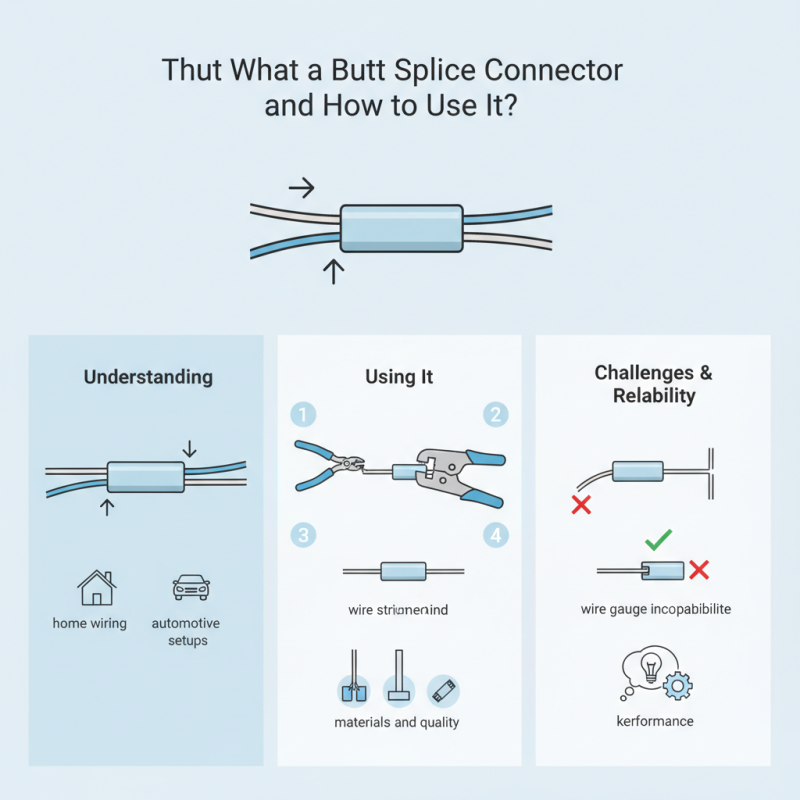
Understanding the Butt Splice Connector is essential for effective electrical connections. This device joins two wires to ensure a strong and durable bond. It serves in various applications, from home wiring to automotive setups.
Using a Butt Splice Connector requires careful preparation. Strip the wire ends appropriately to fit into the connector. Insert each wire and crimp securely for the best connection. This step is crucial; improper crimping can lead to failures. The materials and quality of the connector also matter significantly.
Despite its straightforward design, challenges can arise. Users sometimes overlook wire gauge compatibility, leading to potential disruptions. Knowledge of these details enhances reliability. Staying informed about usage can make a significant difference in performance.
What is a Butt Splice Connector?
A butt splice connector is a common electrical component used for joining two wires end-to-end. This connector consists of a metal sleeve, usually made of copper or aluminum, which is insulated to prevent electrical shorts. When crimped properly, it provides a strong and reliable connection, essential for effective electrical conductivity.
Using a butt splice connector can be straightforward, but it requires attention to detail. First, strip the insulation off the ends of the wires you want to connect. Ensure the stripped length is appropriate for the connector size. Then, insert the wires into the butt splice connector. A crimping tool is essential for this step. If not crimped correctly, the connection may fail under strain or high current.
While butt splice connectors are generally reliable, improper use can lead to issues. Always inspect your work. Loose connections can result in arcing or intermittent failures. Although these connectors make wiring easier, they require a proper technique and careful execution to ensure safety and durability. Consider practicing the crimping technique on scrap wire before attempting on your project. Reflect on your process to improve consistency and reliability.
Components of a Butt Splice Connector
A butt splice connector is essential for joining electrical wires securely. Understanding its components can enhance your wiring projects.
The main components of a butt splice connector include the metal insert, insulation sleeve, and crimping area. The metal insert is critical for conducting electricity between two wire ends. It ensures minimal resistance and optimal performance. The insulation sleeve protects the connection from environmental factors. This layer prevents moisture and dust from causing electrical issues. The crimping area is where you secure the wire. A proper crimp ensures a solid, lasting connection.
Tips: When using a butt splice connector, ensure you strip the wire ends neatly. Avoid fraying or damaging the strands. A clean cut allows better contact within the connector. Also, use the right tool for crimping. This ensures a tight fit without damaging the wires.
Another point to consider is the size of the connector. Use connectors that match the gauge of your wires. A mismatch can lead to failure, as the connection may not hold. Test connections after crimping to verify they are secure. Regular inspection can identify potential issues before they escalate.
Step-by-Step Guide to Using a Butt Splice Connector
Using a butt splice connector may seem daunting, but it is quite simple. A butt splice connector is often used in electrical wiring to join two wires together. You’ll need basic tools like wire strippers and crimpers for installation. First, strip about half an inch of insulation from both wires. This is crucial for a strong connection. Ensure the exposed wire is clean and free from corrosion.
Next, insert the stripped ends into the butt splice connector. Make sure they meet in the middle of the connector. Carefully use the crimping tool to secure the connector tightly around the wires. You should feel a firm grip. Sometimes, achieving the right level of tightness can be tricky. If the connection feels loose, it might be worth checking again. After crimping, it’s wise to tug gently on the wires to ensure they are secure.
Lastly, use electrical tape to wrap the connection for added protection. This step prevents moisture from damaging the splice. Double-check that the tape is applied evenly. Remember, practice makes perfect. It’s okay if your first few attempts aren’t flawless. Each try helps you improve your skills and grow more confident in using butt splice connectors.
Common Applications of Butt Splice Connectors
Butt splice connectors are essential for joining two electrical wires securely. They offer a reliable method for creating strong, conductive connections. Common applications include automotive repairs and home wiring. In cars, these connectors are often used to repair damaged wiring in the harness. They ensure that electrical systems function without interruption, which is crucial for vehicle safety.
In residential projects, butt splice connectors provide a way to extend wiring in lighting fixtures or outlets. They’re ideal for connecting wires in tight spaces. However, applying them requires care. Incorrectly using these connectors can lead to poor connections and overheating. Ensure the wires are stripped properly before insertion. Use appropriate tools to crimp the connector firmly. This helps achieve the desired conductivity.
While butt splice connectors are versatile, they do have limitations. In environments exposed to moisture or extreme temperatures, additional protection may be necessary. Waterproof connectors might be needed in such cases. Reflecting on these considerations is vital for ensuring a long-lasting and effective connection. Always assess the specific requirements of your project carefully.
Safety Tips for Working with Butt Splice Connectors
When working with butt splice connectors, safety should be a top priority. These connectors are widely used in electrical wiring. Improper handling can lead to short circuits or electrical fires. Always wear safety goggles and gloves when making connections. The tools you use should be insulated to prevent accidental shocks.
Before you start, ensure the power is off. Check the wires' condition; frayed or damaged wires can pose risks. Strip the wire insulation carefully, as too much exposure can weaken the connection. Insert the wires into the butt splice, ensuring a secure fit. A good connection reduces the chance of future issues.
After crimping, double-check your work. An improperly crimped connector might seem fine but can fail. Test the connection with a multimeter to confirm continuity. Remember to tidy up any excess wire to avoid potential accidents. Regular inspections on your connections will also help maintain safety.